Essential Wood Floor Sanding Equipment You Need in 2026

Short Answer… Wood floor sanding equipment includes a belt or drum sander for your main sanding, an edge sander for all the corners, a floor buffer for finishing, a dust extraction system for controlling the dust levels, and sanding abrasives in lots of grit levels. Using the right combination is what creates a smooth, consistent, professional finish.


Key Takeaways

  • Multiple machines are needed to complete a full floor sanding project.
  • Drum or belt sanders handle the majority of the floor surface.
  • Edge sanders are essential for edges and corners.
  • Dust control systems are now a key part of safe sanding.
  • Correct grit progression is what creates a smooth finish.
  • Equipment choice should match your experience and floor condition.
  • Hiring or buying depends on how often you plan to use the tools.

Wood floor sanding is one of those jobs where the result depends A LOT on the tools you use. The difference between a smooth, even finish and a floor that looks patchy or damaged often comes down to the equipment and how you handle it.

It’s so easy to assume it’s just a little bit of using a sanding machine and some sandpaper… When actually in reality, using the wrong setup can lead to uneven boards, visible sanding marks, or even permanent damage to the timber. Repairs can quickly cost more than getting it done properly in the first place.

This guide is updated for 2026 and reflects how modern sanding is approached at a professional level. If you’re weighing up whether to do this yourself or have it handled for you, our wood floor sanding service explains what’s involved and what to expect from a full restoration.

What Is Wood Floor Sanding?

  • Overview of the Sanding Process

Wood floor sanding is the process of removing old finishes and smoothing the surface of a timber floor. It’s used when floors need refinishing, repair, or a full restoration.

  • The Three Main Stages

Every project follows a structure. Prep involves cleaning and checking the floorboards' condition. Sanding is then carried out in lots of stages using different machines and grit levels. Finishing includes buffing and applying varnish or protective coatings.

  • Why Multiple Tools Are Needed

No single floor-sanding machine can complete the job properly alone, after all, teamwork makes the dreamwork… Large areas, edges, and finishing all require different tools to achieve a consistent result across the entire floor.

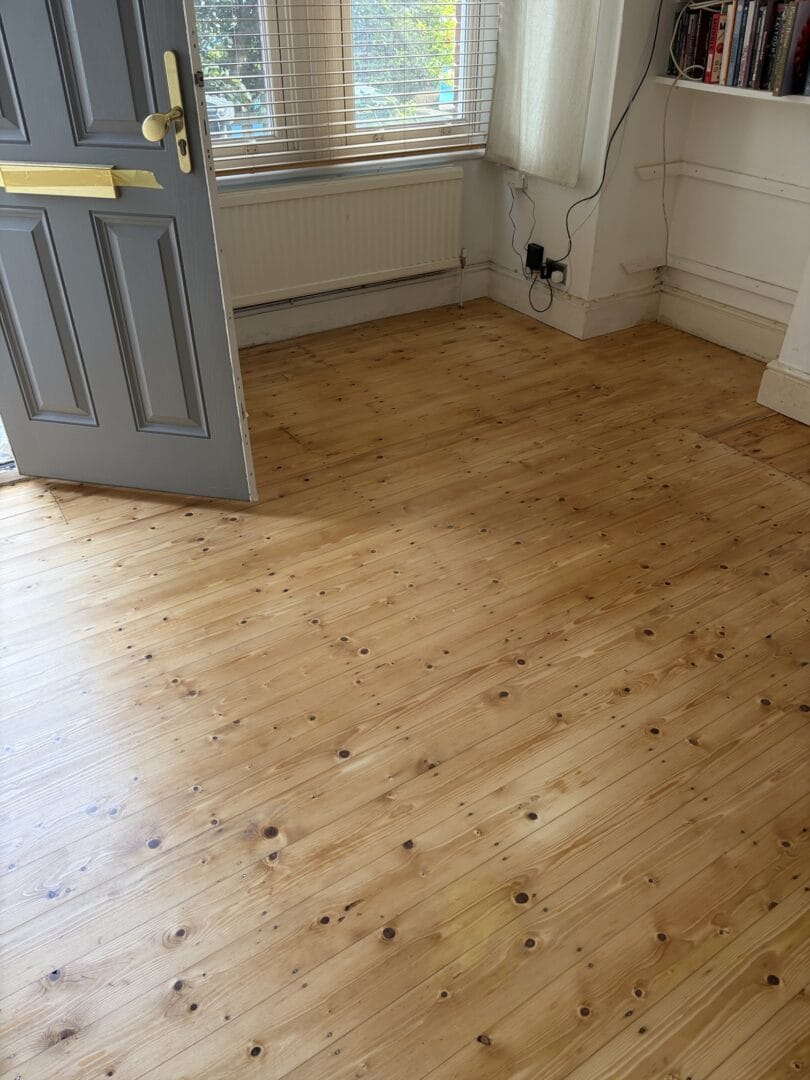
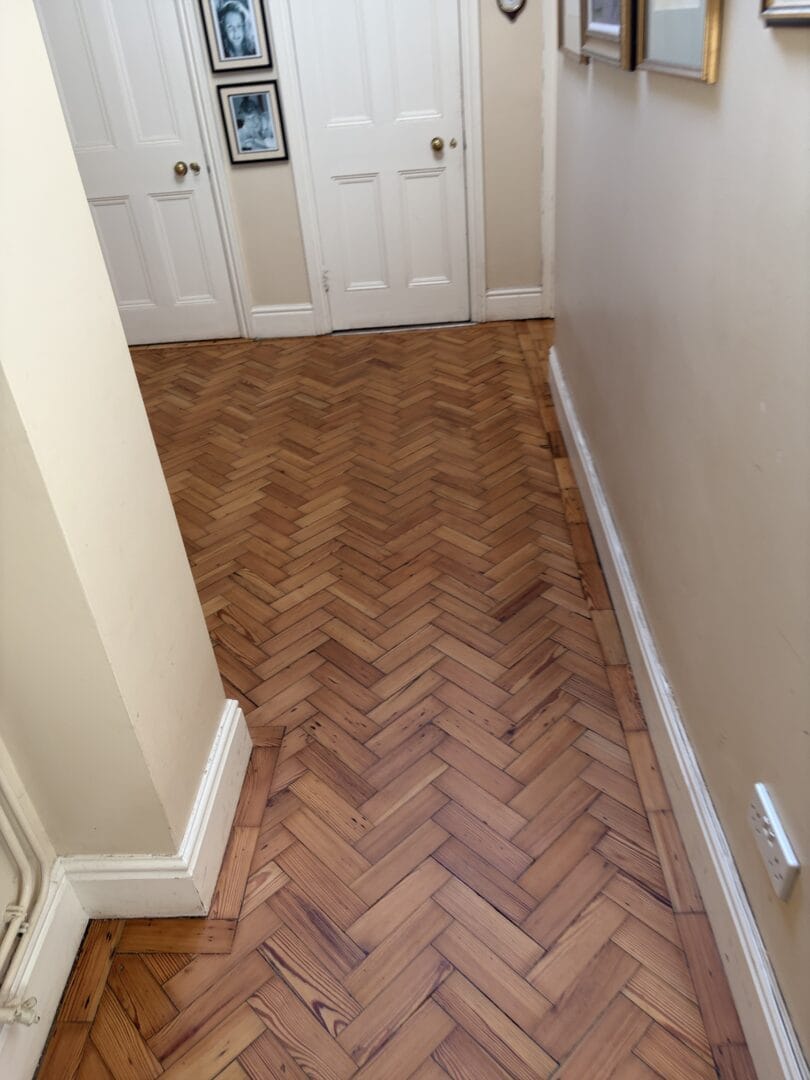
pine wood floor restortation art of clean
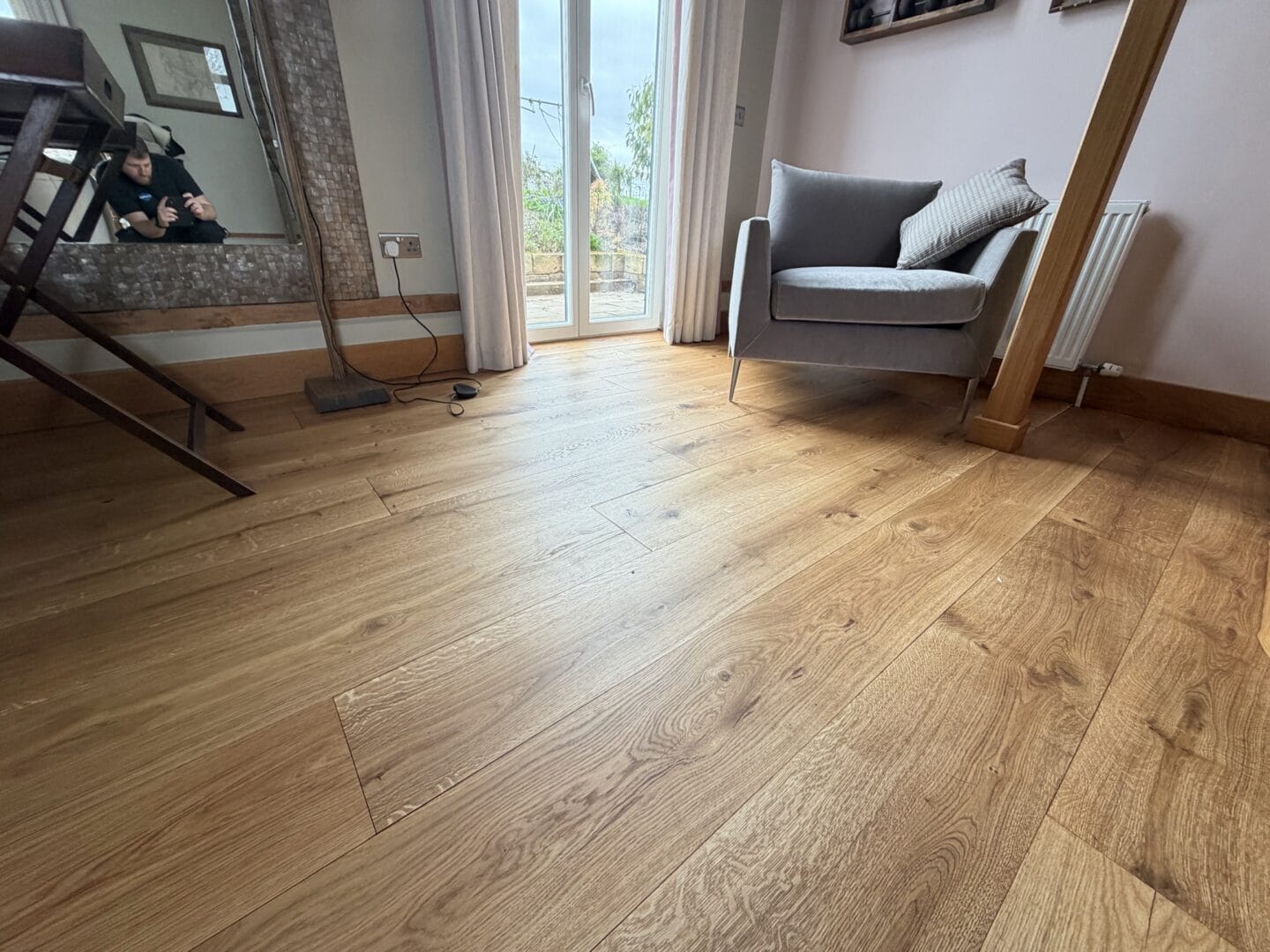
CB1 3SN wood floor restoration service floor sanding Cambridge

Essential Wood Floor Sanding Equipment

  • Belt or Drum Sanders (Main Sanding Tool)

A belt or drum sander is the main machine used to sand wood floors. It removes all old finishes, levels uneven boards, and covers most of the surface area.

These are heavy-duty machines designed for efficiency, but they require control. Leaving the machine in one spot, even briefly, can damage the timber.

  • Edge Sanders (Detail Work)

Edge sanders are used for sanding along walls, edges, and corners. The main machine cannot reach these areas, so without an edger, the result will look incomplete.

They are essential for creating a consistent finish across the full floor.

  • Planetary or Multi-Disc Sanders (This is your advanced equipment)

Planetary sanders use multiple discs to refine the surface and reduce sanding marks. They are more forgiving than your traditional drum machines and are becoming more common in modern floor sanding workflows.

They are particularly useful for parquet and more delicate wooden flooring.

  • Floor Buffers or Polishers (Final Finishing)

A floor buffer is used in the final stage to smooth the surface before finishing. It improves the overall feel of the floor and helps varnish or sealers bond more evenly.

  • Dust Control Systems

Dust control is now a core part of any sanding setup. Wood dust is not just messy… it can affect air quality and create health risks.

Modern floor-sanding machines tend to include dust bags, and nowadays most setups will use an external extraction system or HEPA vacuums. These systems capture a high percentage of airborne dust, keeping the space cleaner and safer.

  • Sanding Abrasives (Sandpaper and Discs)

Sanding abrasives are used in stages, moving from coarse to fine grit. Coarse grit removes the old finish and levels the floor. Medium grit smooths the surface. Fine grit prepares the floor for finishing.

Skipping grit levels is one of the most common mistakes and often leads to visible scratches or uneven results.

  • Supporting Tools and Accessories

The smaller tools are what make the job workable and safe. These include hand scrapers for those tight spots, vacuum cleaners for cleanup, extension leads, and protective equipment such as respirators, goggles, and hearing protection… Cause it does get loud when you’re doing this every day!

What a Complete Wood Floor Sanding Setup Looks Like

  • Basic DIY Setup…

A basic DIY setup usually includes a drum or belt sander, an edge sander, a vacuum, and a full set of sanding sheets. This is enough to complete a project, but the finish will depend on how confidently the equipment is used.

  • A professional Setup…

A professional setup will include multiple machines, an advanced sanding system, and industrial-type dust extraction. It’s designed for consistency, speed, and a higher-quality finish.

This is the level of setup typically used in full-wood-floor restoration projects, where the goal is a clean, even result across every board.

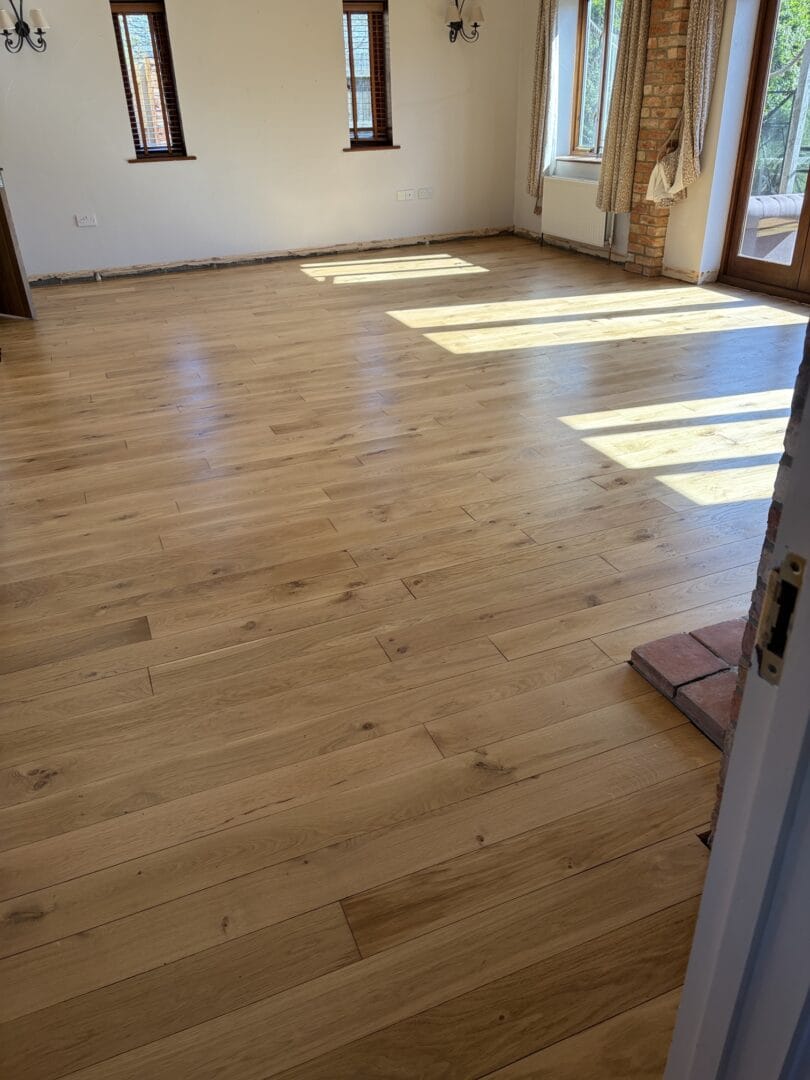
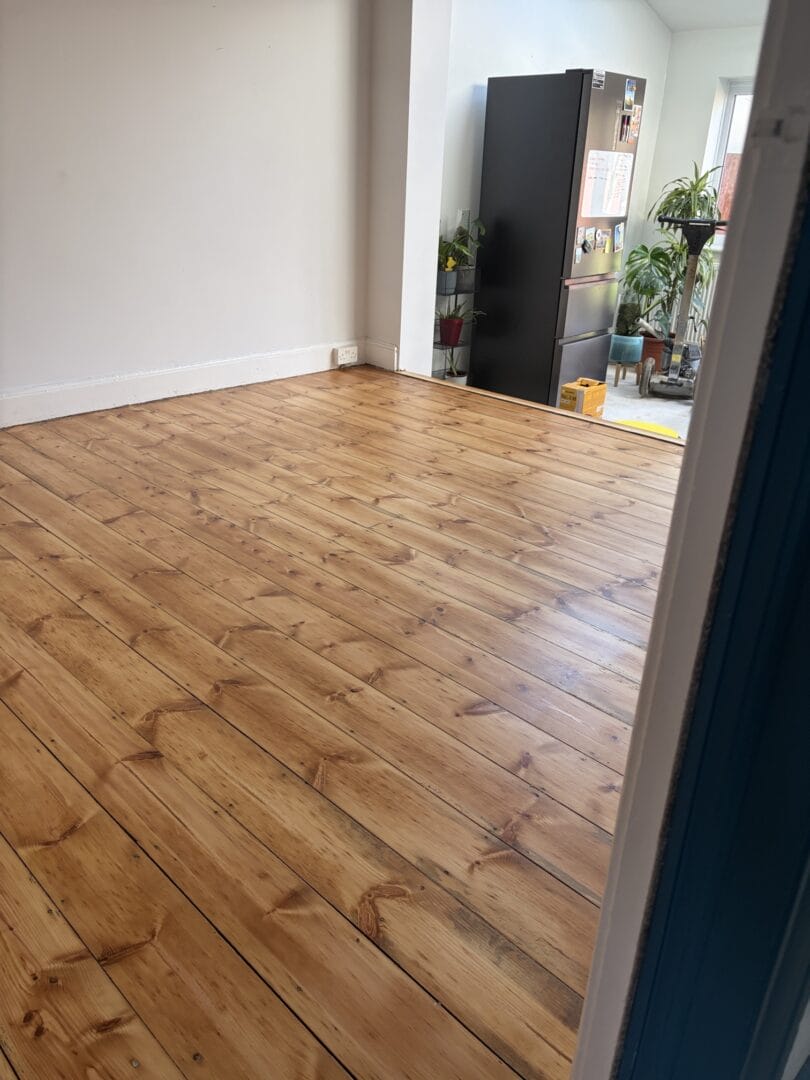
Wood floor that has been restored by art of clean
Oak wood floor restored by art of clean

Latest Trends in Wood Floor Sanding Equipment (2025 to 2026)

  • Dustless Sanding Technology

Dustless sanding is becoming standard practice. It improves air quality and will keep disruption to a minimum, especially in your busier homes.

  • Ergonomic and User-Friendly Designs

Newer sanding machines are designed to reduce fatigue and improve handling, making them easier to control over longer periods.

  • Multi-Head and Planetary Systems

These systems increase efficiency and help produce a smoother, more refined finish, particularly on parquet and detailed flooring.

  • Smart Features and Innovations

Modern machines are starting to include better dust sealing, improved visibility, and more controlled operation to support consistent sanding results.

How to Choose the Right Sanding Equipment

  • Key Factors to Consider

The right tools depend on the condition of your floor, the size of the space, and your level of experience. Heavily worn wood floors need more aggressive sanding, while lighter refinishing requires a more controlled approach.

  • Matching Equipment to Skill Level

Some machines are easier to manage than others. Beginners often benefit from more forgiving sanding systems, while professionals use more powerful machines for efficiency.

  • Risks of Choosing the Wrong Equipment

Using the wrong setup can lead to uneven sanding, visible marks, or permanent damage to the floorboard. It can also make the project take longer and cost more to fix.

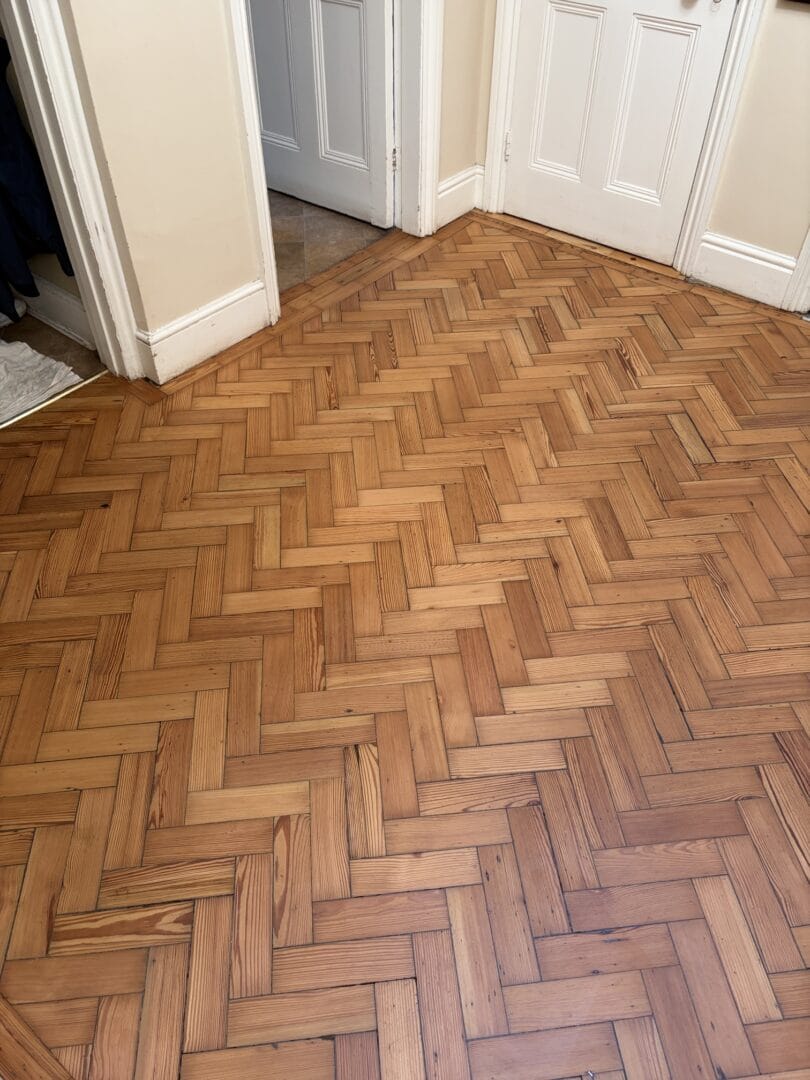
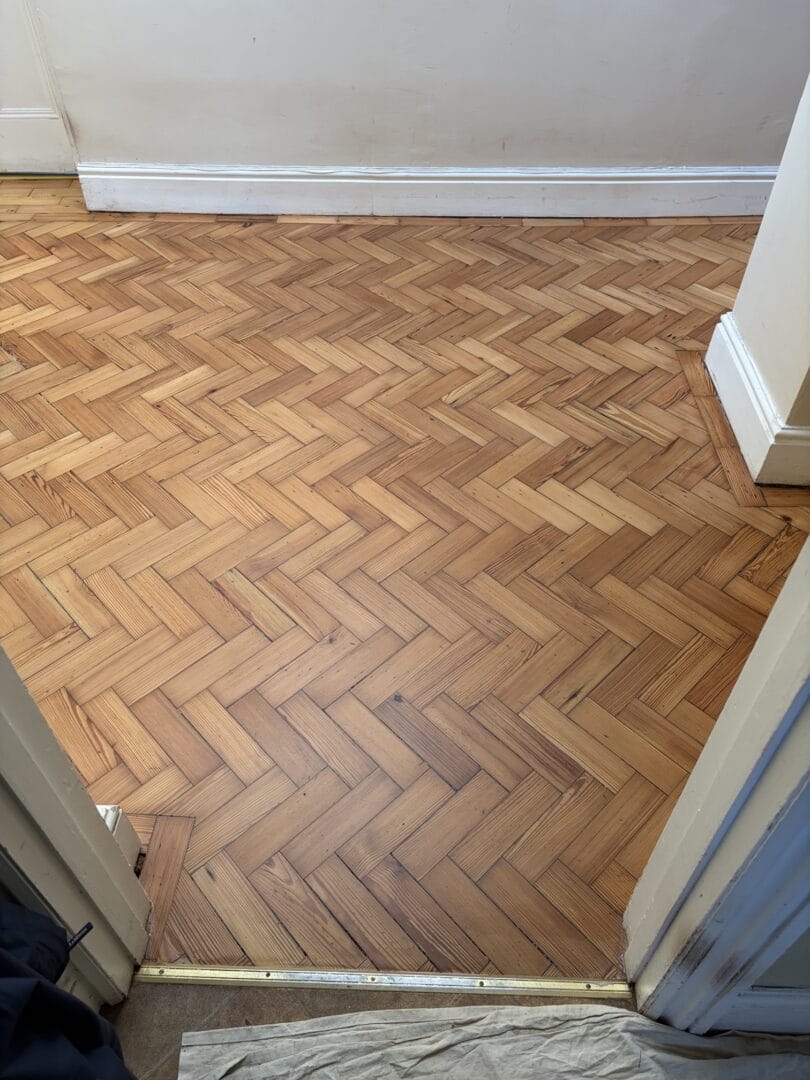
Newmarket pitch pine herringbone Parquet Wood Floor restorartion Suffolk Cambridgeshire Hertfordshire Essex
Newmarket pitch pine herringbone Parquet Wood Floor restorartion Suffolk Hertfordshire

Rent vs Buy: What’s the Better Option in 2026?

When to Rent

Floor sander hire is usually the best option for one-off projects. It keeps upfront costs lower and avoids storage or maintenance.

When to Buy

Buying equipment makes sense if you plan to use it regularly or professionally, where long-term savings outweigh the initial cost.

Cost Considerations

Costs will vary depending on the type of sanding machine, the accessories used, and how often they are used. For most homeowners, hiring remains the more practical choice.


Common Mistakes When Choosing Sanding Equipment

Many problems come from using the wrong setup.

Common mistakes include relying on one machine only, ignoring edge sanding, skipping a grit progression, or overlooking the dust control.

Trying to use equipment that is not suited to your experience level can also lead to avoidable damage.

Expert Tips for Better Sanding Results

Good results come from control, not speed. Always follow the correct grit sequence and keep the sanding machine moving steadily.

We highly recommend ALWAYS testing a small, hidden area first, applying consistent pressure, and maintaining your equipment throughout the job. Remember… small adjustments in technique can make a noticeable difference in the final finish.

Choosing the Right Setup for Your Floor

The quality of the result comes down to the equipment and how it’s used. No single machine can deliver a complete finish, and each stage of sanding plays a role in the final look.

If you’re planning to do it yourself, taking time to choose the right tools will make a noticeable difference. If you’d rather have it handled professionally, it helps to understand what goes into the process so you can compare like for like.

If you’re still thinking about it, we’d be happy to talk it through and explain what would suit your floor and your needs best.


Article Sources

Pitch pine herringbone parquet wood floor restored in newmarket

Frequently Asked Questions

Answers to common questions about our Essential Wood Floor Sanding Equipment You Need in 2026 service.