
Dust-free floor sanding is a modern way to refinish wooden floors using professional sanding machines connected to high-powered vacuum extraction (often with HEPA filtration) that captures dust at the source. It can dramatically reduce airborne sanding dust in your home, which means less mess, better air quality, and a cleaner finish, compared to older-style sanding. See Bona’s clean air sanding overview.
https://youtu.be/N9IXB5FH_J4
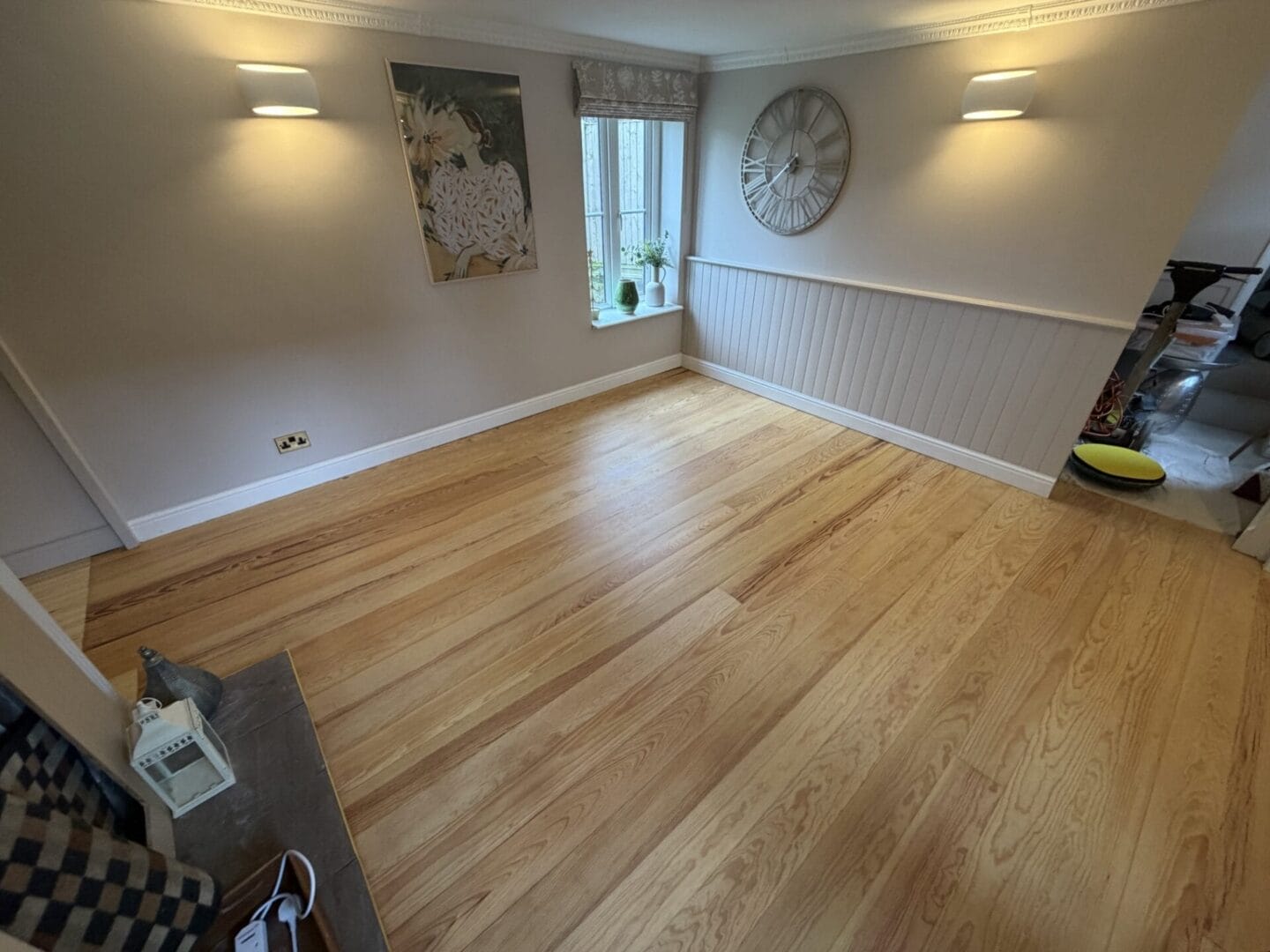
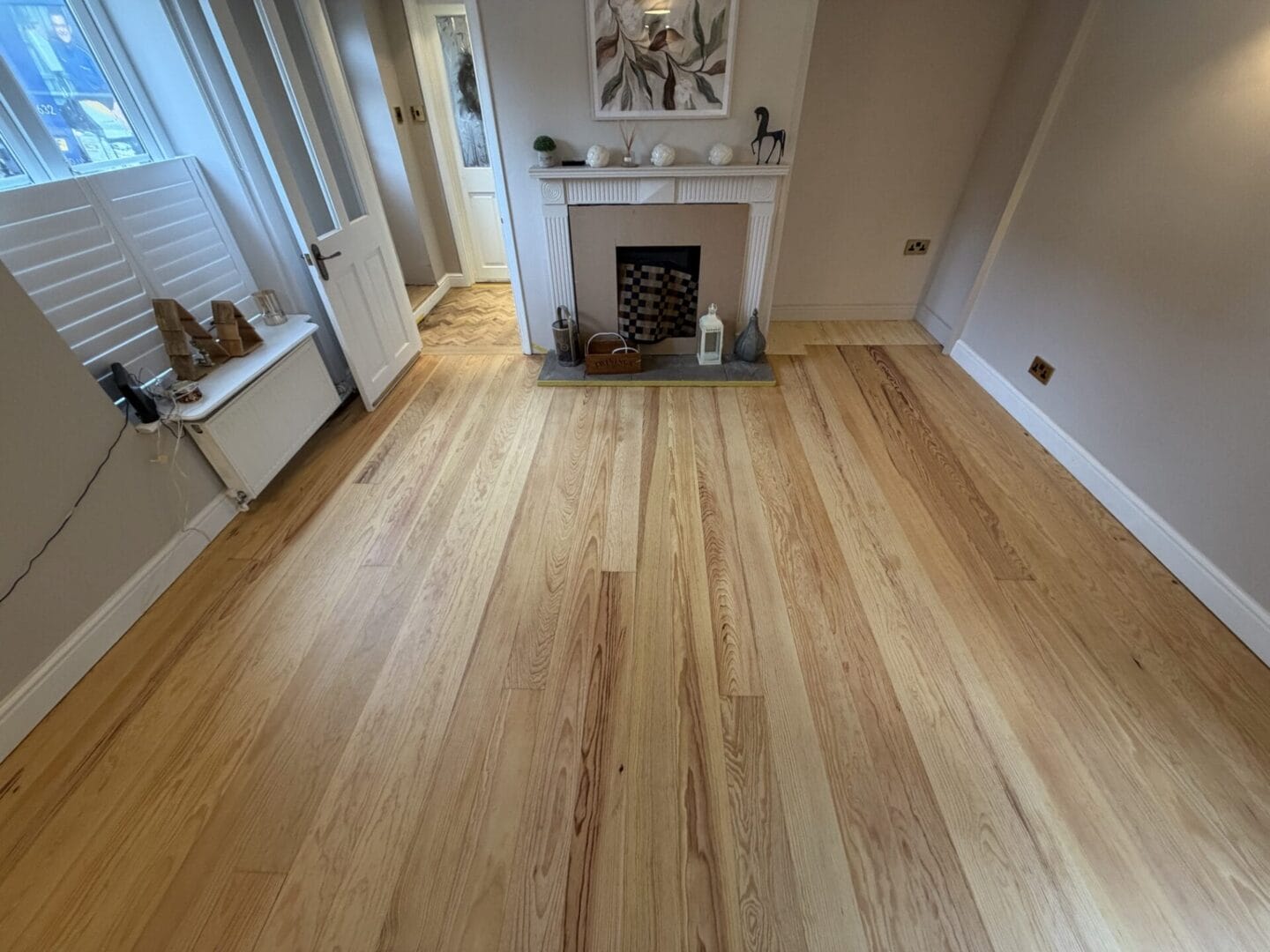
If you love the look of natural wood, sanding and refinishing can feel like the right move, but the thought of dust in every room puts people off. Traditional sanding has a reputation for turning a calm home into a building site, with fine dust settling on skirting boards, shelves, and soft furnishings.
That worry is valid. Fine sanding dust can stay in the air for a long time, and it is not something you want drifting through bedrooms or sitting on kitchen surfaces. Therefore, dust control is not a nice extra... it is part of doing the job with respect for your home and your air quality, which aligns with the HSE guidance on wood dust.
Dust-free (sometimes called dustless floor sanding) is a method of floor restoration that uses modern sanding machinery with sealed connections to powerful extraction systems. The aim is simple: capture dust where it is created, before it becomes airborne and moves through your home.
A good system combines:
A floor sander that is specifically made for controlled extraction...
Sealed hoses and fittings...
And industrial vacuum extraction that pulls sanding dust straight into containment.
Many professional systems also use HEPA-grade filtration to help trap very fine particles, as described in Bona’s approach to clean air sanding.
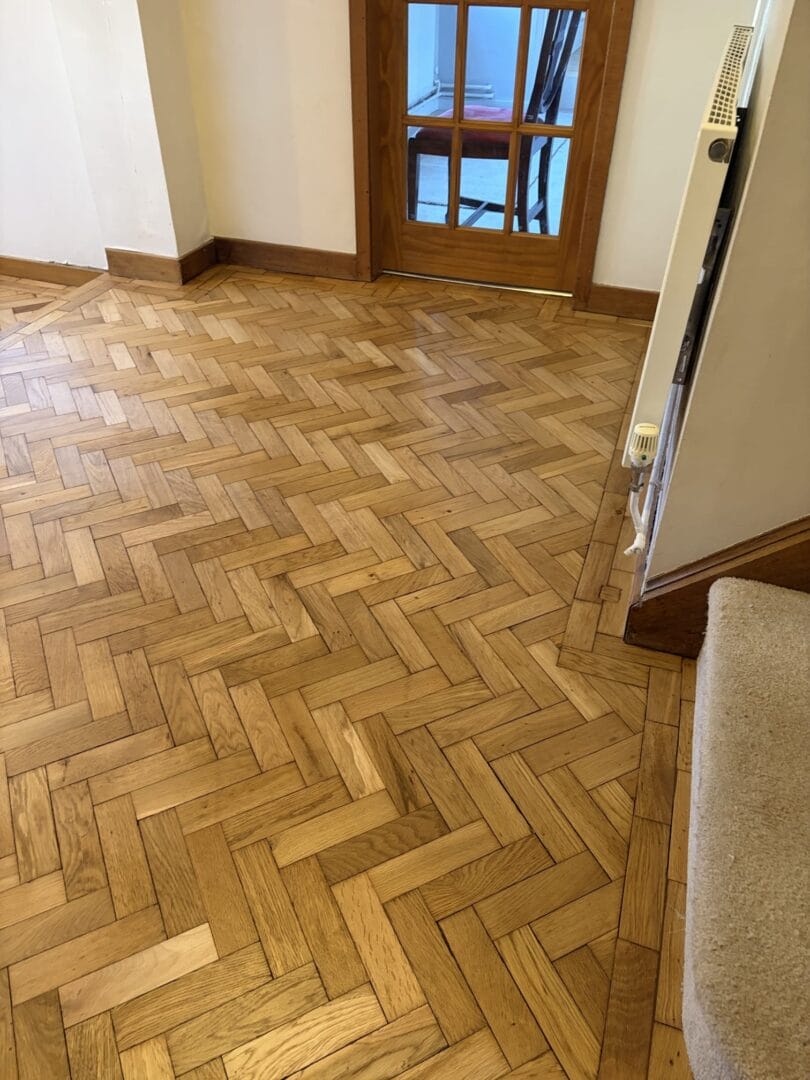
People often assume it is one machine and one pass, but the best results come from a staged approach. Here is what a professional floor sanding service usually looks like.
Step 1: Inspection & preparation
The floor boards are checked for any movement, damage, protruding nails, old adhesive, and previous coatings. Rooms are prepared so the sanding can happen cleanly, with sensible protection where needed.
Step 2: Primary sanding
A belt or drum-style sander levels the surface and removes old finishes. With dust-free sanding systems, extraction runs continuously during sanding, pulling dust away at the source.
Step 3: Edge sanding
Edges and corners need smaller machinery. This is where “dust escaping” can happen if a system is poorly connected... good kit and good technique matter as much as the label.
Step 4: Repairs & gap filling
If there are cracks, gaps, or minor defects, you can use fillers or resins to create a smoother, more even surface before the final sanding stages.
Step 5: Fine sanding & buffing
Progressive grits refine the surface, and that makes the finish look even and feel smooth underfoot. This is where random orbital sanders (such as a Trio style approach) can help reduce directional scratch marks and improve the final look.
Step 6: Finishing
Your chosen finish is applied, often lacquer or oil, sometimes other protective seal systems, depending on the floor and the look you want. A cleaner environment helps reduce dust inclusions in the coating, and the finish tends to look clearer and more consistent.
If you are exploring options, you can see how we approach professional floor sanding on our wood floor sanding service page.
Older sanding setups often relied on basic collection bags, which catch heavier debris but allow fine dust to drift into the room. That is the dust people remember cleaning for days afterwards.
With dust-free sanding, the difference is usually felt in three ways:
Less disruption
There is still work happening in your home, but it is typically calmer and cleaner, with far less visible dust settling on surfaces.
Cleaner working conditions
Dust capture at the sanding head helps protect both the household and the flooring professionals.
Better finishing conditions
When there is less airborne dust, there is less chance of particles landing in wet coatings... the final look is often smoother and more even.
Dust-free sanding is a modern upgrade on traditional floor sanding. It reduces airborne dust, keeps your home cleaner during the job, and supports a better finish, while still delivering the same core goal... a beautifully refinished wooden floor.
If you are still weighing it up, feel free to ask. We will give you a calm, straight answer, and help you decide what suits your home best.